Pest Control Services in Warren County for Safer Rental Properties
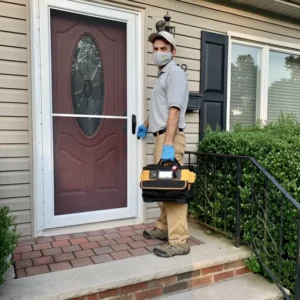
Rental properties have a way of magnifying small maintenance issues. A loose handrail becomes a liability question. A slow leak turns into drywall damage, mold, and a dispute over who reported what and when. Pest activity works the same way, except it usually moves faster and creates more friction between owners, tenants, and property managers. What starts as a few ants near a sink or scratching behind a wall can quickly become a health concern, a lease problem, and a repair bill that costs far more than early treatment would have.
That is why Pest Control Services Warren County matter so much for rental housing. The goal is not simply to spray when someone complains. The goal is to create safer living conditions, protect the structure, reduce vacancies, and keep everyone on clearer footing when problems appear. In practice, effective pest control for rentals is part building science, part tenant communication, and part disciplined follow-through.
Warren County presents a mix of housing stock and environmental conditions that make this especially relevant. Older single-family homes with crawl spaces, duplexes with shared walls, apartment communities with heavy turnover, and suburban townhomes near tree lines all invite different pest pressures. A property near wooded areas may struggle with carpenter ants, rodents, and occasional wildlife issues. A building with aging plumbing and warm utility chases may see German cockroaches or moisture-loving pests show up first in kitchens and lower-level bathrooms. Properties with neglected dumpster enclosures, overgrown landscaping, or poor door seals often create recurring pest pathways no amount of spot treatment can solve for long.
Why rental properties need a different pest control approach
Owner-occupied homes and rentals may face the same insects and rodents, but the management demands are very different. In a rental, you are dealing with multiple households, varying housekeeping habits, delayed reporting, maintenance scheduling, legal notice requirements, and often a shorter window to act before the issue affects a neighboring unit.
One of the biggest mistakes landlords make is treating pests as isolated incidents. In reality, they are often building-wide or property-wide conditions. If mice enter one ground-floor unit because the weather turns cold and the foundation has gaps around utility penetrations, you can assume those mice are not respecting unit boundaries. If one resident has a heavy cockroach infestation in a multifamily building, surrounding units are exposed whether or not those tenants have seen a live roach yet.
Experienced providers of Pest Control Services Warren County usually start from this wider view. They ask where pests are entering, what conditions are feeding the problem, and whether the complaint is the first visible sign of something established elsewhere. That perspective matters because rental properties rarely benefit from one-time treatment alone. They need a plan that matches the building, the pest, the occupancy pattern, and the season.
There is also the issue of speed. In rental management, delays cost money in ways that are not always obvious at first. A mouse complaint left unresolved can lead to damaged insulation, chewed wiring, and a tenant who decides not to renew. A bed bug report handled casually can spread to furniture, adjacent units, and common areas, turning a manageable problem into a major operational disruption. Even nuisance pests like ants can escalate into negative online reviews that shape future leasing more than owners expect.
The pests that most often threaten Warren County rentals
No two buildings have identical pest histories, but several categories show up again and again in rental portfolios across counties like Warren. Rodents remain high on the list because they exploit very small openings and are drawn to the warmth, clutter, and food availability common in occupied housing. Mice are especially deceptive. A tenant may report droppings in one cabinet, while the real issue is a network of travel routes behind appliances, beneath insulation, and through basement ceiling voids.
Cockroaches are another serious concern in rentals because they spread through shared walls and utility lines, and they are hard to eliminate if treatment is inconsistent. German cockroaches, in particular, are rarely solved by over-the-counter products. They breed quickly, hide in tiny spaces, and adapt to amateur efforts that kill only the visible insects.
Ants often seem minor until they are not. Pavement ants and odorous house ants can become chronic complaints in kitchens and around foundations. Carpenter ants raise a different level of concern because they may indicate damp wood and hidden structural vulnerability, especially in older homes or neglected exterior trim.
Termites deserve attention even when there is no visible swarm. In some rentals, especially those with untreated wood close to grade, poor drainage, or long-deferred repairs, termites can remain unnoticed for years. Landlords tend to think of termites as a real estate transaction issue, but in practice they are a maintenance and asset preservation issue long before sale or refinance enters the picture.
Bed bugs are less tied to sanitation than many people assume, which is one reason they create so much confusion and conflict in rental settings. They travel with luggage, furniture, and personal belongings. Once introduced, they can spread through walls, hallways, and shared laundry areas. The emotional toll is significant, and a slow or dismissive response almost always makes things worse.
Then there are the seasonal and occasional intruders, spiders, wasps, stink bugs, cluster flies, and similar pests that may not carry the same stigma but still affect habitability and tenant satisfaction. A family moving into a unit with wasp activity at the soffit or recurring insects around windows will notice immediately, even if the problem is not technically severe.
What safer rental properties actually require
Safer does not mean sterile. It means a property where pest pressure is controlled through prevention, monitoring, prompt response, and competent treatment. It also means the building itself is not quietly inviting pests through neglect.
A safer rental property has sealed exterior gaps, functioning door sweeps, intact screens, controlled moisture, and predictable trash handling. It has management that documents complaints and acts quickly. It has vendors who know the difference between a one-off nuisance and a sign of deeper infestation. It has tenants who receive practical guidance without being blamed for every issue by default.
The physical side of prevention is often less glamorous than treatment, but it is usually where the real gains happen. I have seen apartment units treated repeatedly for ants when the actual fix was grading soil away from the foundation and trimming vegetation off the siding. I have seen landlords spend hundreds on rodent baiting while ignoring a broken basement vent and a quarter-inch gap under a rear service door. Pesticides and traps have their place, but if the property continues to offer water, food, and entry points, pests will treat each service visit as a temporary inconvenience.
This is why the best pest management programs for rentals are integrated rather than reactive. They combine inspection, exclusion, sanitation guidance, moisture correction, targeted treatment, and follow-up. That approach is more practical than it sounds. It simply recognizes that pests respond to conditions, not just chemicals.
Where landlords and property managers often get tripped up
The first problem is inconsistency. A manager may act quickly for one tenant and slowly for another, depending on how the complaint comes in or whether the resident seems persistent. That inconsistency creates resentment and, in multifamily settings, gives pests time to spread.
The second problem is poor documentation. Without clear records, it becomes difficult to establish when an issue began, what was observed, what treatment occurred, and whether access was provided. This matters operationally and, in some cases, legally. Good records do not need to be complicated. They need to be accurate, dated, and easy to retrieve.
The third problem is relying on the cheapest possible service model. There is a difference between value and low price. A low-cost vendor who rushes through units, skips detailed inspection, or offers broad assurances without identifying root causes can easily cost more over a year than a thorough provider who addresses conditions early and reduces callbacks.
The fourth problem is treating tenant communication as an afterthought. Residents need to know what preparation is required, whether follow-up is likely, and how to report continued activity. Vague instructions lead to failed treatments. For example, if a unit requires kitchen prep for cockroach work and the resident is not told clearly what to bag, move, or clean, the technician may be unable to treat critical harborage areas effectively.
The most useful questions to ask a pest control provider
Choosing a vendor for rental housing is less about flashy promises and more about operational fit. A provider serving single-family homeowners may be excellent in that lane and still struggle with the demands of multifamily access coordination, recurring inspections, and tenant-facing communication.
A strong pest partner should be able to explain how they handle occupied units, missed appointments, recurring issues, and conditions that need owner correction. They should be candid about what treatment can and cannot do if sanitation, clutter, leaks, or structural gaps remain unresolved. They should also be able to distinguish between routine service and situations that need more aggressive or specialized work, such as bed bugs, termites, or large-scale rodent exclusion.
The best providers tend to write useful service notes. Not generic lines saying a property was treated, but real observations such as fresh droppings under the sink, utility gap behind the stove, active ant trail at the rear slider, or moisture present under the water heater. Those details help managers prioritize repairs and give maintenance teams something actionable.
Here are a few questions worth asking before signing an agreement:
- How do you document findings, treatments, and recommended repairs for each unit or building?
- What is your process for recurring infestations in multifamily properties?
- Do you provide exclusion recommendations, or only chemical treatment?
- How do you handle tenant preparation requirements and access issues?
- Which services are routine, and which are billed separately, such as bed bug or termite work?
That short conversation often reveals more than a polished brochure will.
The value of routine service versus complaint-only visits
Many landlords resist recurring pest service because they assume it is only worthwhile for severe infestations. In practice, complaint-only service often ends Pest Control Services Warren County up costing more, especially in multifamily housing or older properties with known vulnerabilities.
When service happens only after a complaint, you are always behind. The tenant has already seen the pest. The issue may already be affecting neighboring units. The property team is reacting under pressure, and the resident is judging management responsiveness from the first call. Complaint-only service also makes trend detection harder. If different tenants report ants, mice, and roaches over six months, those may be logged as separate incidents rather than recognized as signs of a broader condition.
Routine service changes that rhythm. It allows a technician to catch early evidence, monitor vulnerable areas, and spot maintenance defects before they become infestations. It also creates a normal pathway for residents to report concerns without feeling they have to escalate dramatically to be heard.
That does not mean every rental needs the same frequency. A newer single-family home with no prior history may need only seasonal inspections and on-call support. A busy apartment building with turnover, shared walls, and trash enclosures may justify monthly or bi-monthly service. The right schedule depends on construction type, age, surroundings, and past activity.
When tenant behavior is part of the problem, and when it is not
This is where judgment matters. Property owners sometimes rush to blame tenants for any pest issue, while tenants sometimes assume any pest sighting is proof of landlord neglect. The truth is usually more complicated.
Food left out, grease buildup, clutter, overflowing trash, and failure to report leaks absolutely can increase pest pressure. So can bringing in infested furniture or delaying access for treatment. At the same time, tenants cannot control structural gaps, poor drainage, rotting trim, broken seals, open utility penetrations, or deficiencies in neighboring units that allow pests to migrate.
A fair approach separates contributing behavior from building responsibility. For example, if a resident is storing open pet food and rarely removing trash, that should be addressed directly and professionally. But if the same unit also has a plumbing leak under the sink and a missing escutcheon around the pipe opening in the wall, management owns part of that problem too.
This balanced view is important because finger-pointing rarely solves infestations. Clear communication, prompt correction of property defects, and documented tenant instructions usually do.
Seasonal patterns in Warren County rentals
Pest pressure shifts through the year, and rental operators who anticipate those patterns do better than those who wait for complaints to define the season.
Spring often brings ant activity, emerging overwintering pests, and renewed termite attention. As soil warms and moisture changes, colonies become more visible around foundations, window frames, and kitchen entry points.
Summer tends to amplify wasps, flies, and moisture-related pest problems. High heat can also push cockroach activity into clearer view in buildings with chronic sanitation or plumbing issues. Landscaping growth during this period matters more than many owners realize. Shrubs pressed tightly against siding, mulch piled too high, and tree limbs touching roofs all increase pest harborage and access.
Fall is prime time for rodent complaints. As temperatures drop, mice start testing structures with determination. This is the season when neglected door sweeps, unsealed penetrations, and foundation cracks show up in your work order system.
Winter does not eliminate pest issues. It simply changes where they appear. Rodents become more interior. Some insects emerge around warm mechanical spaces. Bed bugs, of course, follow people rather than weather and can become a year-round challenge in any occupied rental.
Turnovers are the best time to get ahead
If I had to pick one moment that separates disciplined property operators from chronically reactive ones, it would be turnover. A vacant unit gives you access, visibility, and control that rarely exist once the next tenant moves in. Yet many turnovers focus almost entirely on paint, flooring, and surface cleaning while pest vulnerabilities go unaddressed.
A proper turnover inspection should include cabinet interiors, under-sink plumbing areas, appliance voids, utility penetrations, window tracks, baseboard gaps, attic or crawl-space observations where relevant, and signs of droppings or insect activity. It is also the right time to replace worn sweeps, repair screens, seal penetrations, and treat known hotspots before occupancy.
This is especially important after residents who lived with pets, stored heavy clutter, or left food debris behind. Even if the unit looks clean after make-ready, hidden harborages may remain around stoves, refrigerators, and dishwashers. A few extra steps during vacancy can prevent a first-month complaint that starts the new tenancy on the wrong foot.
Bed bugs, termites, and rodents need special handling
Some pest issues deserve their own category because the stakes and treatment demands are higher. Bed bugs are one. Casual responses almost never work. The key is rapid inspection, clear preparation instructions, coordination with residents, and follow-up until activity stops. Half measures waste time and strain trust.
Termites are another. Because termite damage can remain hidden, owners should not wait for dramatic signs. If a property has mud tubes, swarm evidence, suspicious wood damage, or long-standing moisture conditions near structural wood, it should be assessed promptly. For rentals, termite work is not only about treatment. It is also about preserving the building envelope and avoiding deferred structural expense.
Rodents often sit in a gray zone because many people assume traps alone are enough. They are not, at least not for long. Without exclusion and sanitation correction, trapping becomes repetitive labor. I have seen buildings where technicians removed mice month after month from the same utility room because no one sealed the pipe chase leading from outdoors. Once that opening was corrected, activity dropped sharply.
What a good property-wide pest strategy looks like
A workable plan does not need to be elaborate. It needs to be repeatable. The strongest rental portfolios usually combine service scheduling, maintenance coordination, tenant communication, and simple reporting standards.
The framework often includes the following:
- Baseline inspections for each building or unit type, especially at turnover
- A defined reporting process for tenants and staff
- Fast response for high-risk pests such as bed bugs, roaches, rodents, and termites
- Written follow-up notes that identify both treatment and needed repairs
- Seasonal prevention work, such as exclusion before fall rodent pressure rises
Those five points are not complicated, but they create accountability. Without them, pest management becomes scattered and personality-driven, which is exactly what rental operations cannot afford.
Budgeting for pest control without underestimating risk
Owners often ask what a reasonable pest control budget looks like. There is no honest one-size-fits-all number because a small duplex and a large apartment complex are not comparable. Age, construction, location, prior infestations, vacancy rate, and turnover volume all shape cost.
What is consistent is the pattern of under-budgeting. Many owners account for routine treatments but fail to reserve for problem cases, bed bug work, exclusion repairs, or building-condition corrections uncovered by inspections. Then when those expenses hit, there is pressure to delay or minimize the response, which usually raises total cost later.
A better mindset treats pest management like preventive maintenance with occasional surge events. Most months may be predictable. Some months will not be. If you own or manage enough units, you will eventually face a bed bug incident, a rodent entry issue requiring repairs, or a termite-related surprise. Budgeting should reflect that reality rather than hoping it will not occur.
The tenant experience matters more than many owners think
There is a temptation to see pest control strictly as a maintenance line item. Tenants do not experience it that way. For them, pests affect sleep, comfort, embarrassment, child safety, food storage, and trust in the property. A resident who sees one mouse may picture ten more. A parent who finds roaches in a kitchen is not thinking about service categories or contract terms. They are thinking about whether their home is safe.
That emotional dimension is why Pest Control Services Warren County response quality matters so much. Even when the infestation is not severe, dismissive communication can turn a manageable issue into a damaged relationship. Clear next steps, prompt scheduling, realistic expectations, and visible follow-through go a long way.
It also helps to explain the logic behind treatment. Residents are more cooperative when they understand why clutter reduction matters, why a second visit is needed, or why sealing entry points is just as important as applying product. People tolerate inconvenience better when they can see the plan.
Stronger properties are rarely the result of treatment alone
The rental properties that stay ahead of pest issues are usually not the ones that spray the most. They are the ones that pair competent Pest Control Services Warren County with practical building upkeep. They fix leaks, control trash, seal gaps, trim vegetation, inspect at turnover, and document what they find. They do not treat pest complaints as random annoyances. They read them as signals.
That mindset pays off in quieter maintenance logs, fewer disputes, better renewals, and a safer environment for residents. It also protects the asset itself, which is easy to forget when attention is pulled toward daily operational noise. Pests exploit neglect with remarkable efficiency. The good news is that disciplined property management closes many of those opportunities before they become serious problems.
For landlords and managers in Warren County, the smartest move is usually not to ask whether pest control is necessary. It is to ask whether the current approach is preventive enough, consistent enough, and informed enough to keep rental properties safe over time. When the answer is yes, tenants notice, buildings perform better, and problems stay smaller than they otherwise would.
Affordable Pest Solutions LLC
Budd Lake, NJ 07828 (service-area business)
Serving Warren, Morris and Sussex Counties, New Jersey
Phone: +1 973-229-9547
FAQ About Pest Control Services Warren County
How much does pest control cost in NJ?
The cost depends on the pest, the size of the property, the extent of activity and whether follow-up visits are needed. Ask for an inspection and a written estimate that explains the treatment scope and any ongoing service charges. Affordable Pest Solutions offers free estimates for properties in its service area.
What are the most common household bugs in New Jersey?
Ants, cockroaches, stink bugs and spiders are among the pests that residents may encounter in New Jersey homes. Activity varies by season, moisture conditions and available entry points. Correct identification helps determine whether exclusion, sanitation, monitoring or professional treatment is appropriate.
What kind of bugs infest homes?
Ants, cockroaches and termites can establish persistent activity in or around homes. The signs and appropriate response differ by pest: trails, droppings, shed wings or damaged wood may warrant closer inspection. A pest professional can identify the cause and recommend a plan suited to the property.